

Colour is far more than a visual experience—it’s a psychological language that influences how we think, feel, and behave. Whether it’s the calming blue of a quiet bedroom or the energising pop of red in a shop display, colours shape our emotional world in powerful and often subtle ways. Recent scientific reviews and psychological studies show that our emotional responses to colour are consistent across cultures and deeply rooted in human perception.
Why Colour Affects Us: The Science in Simple Terms
Research spanning more than 128 years confirms that humans reliably associate certain colours with specific emotional states—these patterns show up across cultures and environments. Lighter colours tend to evoke positive emotions, while darker tones are more commonly linked with negative feelings. This isn’t random; it’s tied to the way our brains process light wavelength, brightness, and saturation. [link.springer.com]
What Different Colours Mean for Your Mood
Red — Exciting, Passionate, and Intense
Red is a high‑energy colour associated with strong emotions, both positive (love, passion) and negative (anger, urgency). It increases heart rate and adrenaline, making it stimulating but potentially overwhelming in large amounts.
Studies also confirm red is linked to intense and high‑arousal emotions. [insightsps…hology.org] [psychologytoday.com]Use red when you want: energy, passion, movement.
Avoid when you need: calm, focus, relaxation.
Blue — Calm, Trustworthy, and Reflective
Blue is one of the most universally soothing colours. It’s linked to relaxation, trust, and cognitive clarity. Research shows blue can promote calmness and improve concentration, making it ideal for workspaces or bedrooms.
It’s also tied to lower stress and improved cognitive performance. [rowanblog.com]Use blue when you want: calm, focus, stability.
Be cautious in excess: it can feel cold or distant.
Yellow — Joyful, Optimistic, and Stimulating
Yellow is associated with happiness and creativity. Its brightness naturally grabs attention and can boost optimism. However, too much yellow may increase restlessness or anxiety. [rowanblog.com]Use yellow when you want: creativity, energy, positivity.
Avoid when you need: serenity or reduced stimulation.
Green — Balanced, Natural, and Restorative
Green is deeply connected to nature and has a calming, balancing effect. It reduces stress and supports concentration, which is why it’s ideal for spaces where focus or relaxation is needed.
However, prolonged exposure to bright or harsh green shades can increase eye strain. [rowanblog.com] [journalijar.com]
Black, White, and Grey — Emotional Neutrality or Depth
- White is often linked to purity, freshness, and simplicity. Research shows white is associated with positive, low‑arousal emotions. [link.springer.com]
- Grey tends to evoke low‑energy, negative emotions if overused. [link.springer.com]
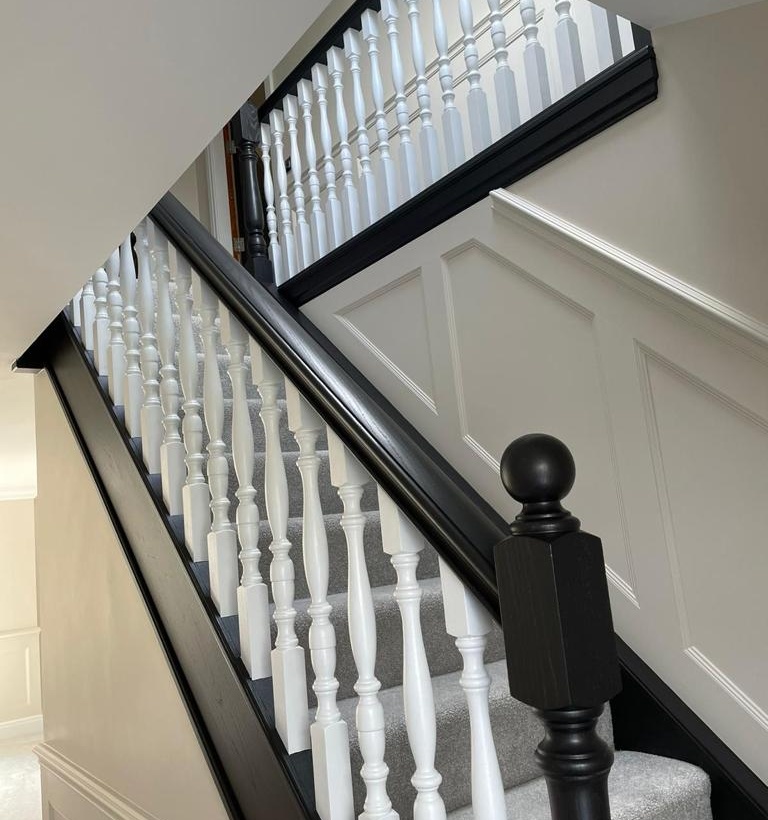
- Black is connected to power and sophistication but also sadness, fear, or aggression depending on context. [colorpsychology.org]
These colours can be powerful mood-setters, but they’re best balanced with warmer or lighter hues.
How to Use Colour Intentionally in Everyday Life
1. Your Home
- Living room: soft greens and blues for calm and connection
- Office: blue or muted greens for focus
- Kitchen: yellows or warm neutrals for energy and sociability
- Bedroom: cool tones for relaxation
2. Your Workspace
Studies show colour can affect productivity and stress in learning and working environments. Blue enhances focus, while yellow can boost creativity, making colour choice a strategic tool in offices and classrooms. [rowanblog.com]
3. Branding & Retail
Colour influences customer behaviour—red creates urgency, blue builds trust, and yellow improves visibility. This is why major brands choose their palettes carefully. These emotional triggers are supported by research showing colour strongly affects how we think and act. [colorpsychology.org]

The Bottom Line
Colour is a powerful emotional force—one that science has been investigating for more than a century. From influencing stress levels to boosting creativity or even impacting physiological responses like heart rate, colours shape our moods in consistent and predictable ways.

